EWP Licence vs Scissor Lift Ticket: Which One Do You Actually Need?

Whether you need an EWP licence in WA (a formal High Risk Work Licence) to operate an elevating work platform comes down to one thing: the type of equipment, and its boom length.
Operating a boom-type EWP with a boom of 11 metres or more requires TLILIC0005 Licence to operate a boom-type elevating work platform. That’s a nationally recognised High Risk Work Licence (HRWL). Most scissor lifts and smaller boom lifts under 11 metres don’t need a HRWL. However, they still need proper training — commonly RIIHAN301E Operate elevating work platform — before anyone gets on one.
Here’s how to tell which category your equipment falls into, and which ticket you actually need.
What Counts as an EWP
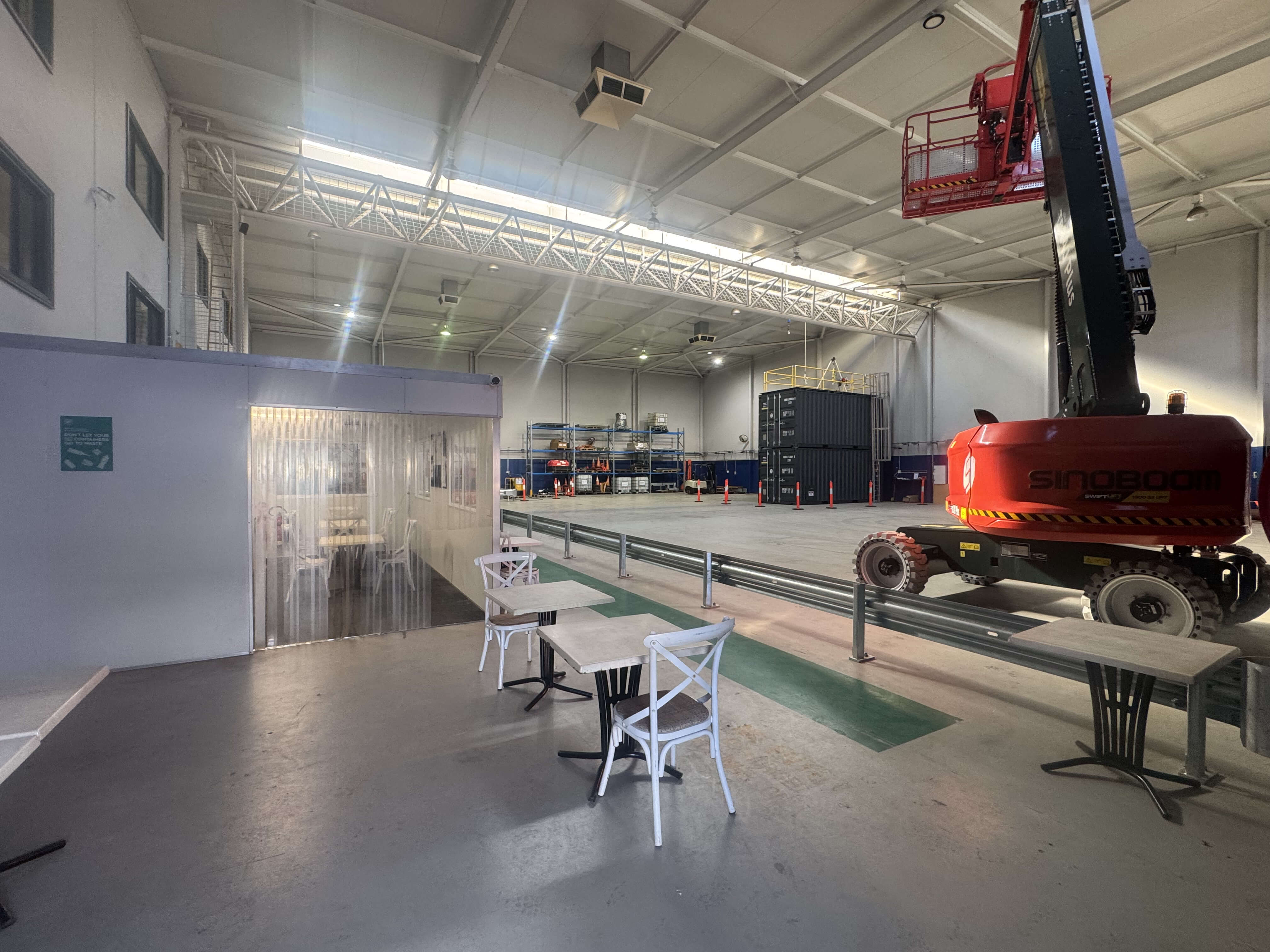
Elevating work platform is the broad category. It covers scissor lifts, vertical mast lifts, and boom-type lifts — telescopic and articulating booms, often called cherry pickers. They’re grouped together because they all do the same job: lifting a person to height in a platform. But they’re not all licensed the same way. The difference comes down to boom length.
The 11-Metre Threshold Is What Actually Matters
For boom-type EWPs, the line is boom length. The Work Health and Safety (General) Regulations 2022 (WA) set this threshold, and WorkSafe WA lists boom-type EWPs with a boom of 11 metres or more as a High Risk Work activity that needs a licence.
- Boom length 11 metres or more: you need the High Risk Work Licence TLILIC0 005 Licence to operate a boom-type elevating work platform. WorkSafe WA assesses and issues it the same way as other HRWL classes — a Notice of Assessment, then a WorkSafe WA application.
- Boom length under 11 metres, and scissor/vertical lifts generally: you don’t need a HRWL. But operators still need relevant competency training — commonly RIIHAN301E Operate elevating work platform — and must be assessed as competent. Most site employers will still ask for evidence of this training, regardless of the licensing threshold.
In short, the licensing requirement is specific to larger booms. The training requirement applies more broadly, even where a formal HRWL isn’t legally required.
EWP Types at a Glance
| Equipment type | HRWL required? | Training unit |
| Boom-type EWP, boom over 11m | Yes – WorkSafe WA | TLILIC0005 Licence to operate a boom-type elevating work platform |
| Boom-type EWP, boom under 11m | No – Competency record | RIIHAN301E Operate elevating work platform |
| Scissor lift | No – Competency record | RIIHAN301E Operate elevating work platform |
| Vertical mast lift | No – Competency record | RIIHAN301E Operate elevating work platform |
Note: completing RIIHAN301E gives you a nationally recognised unit of competency, not a High Risk Work Licence. The two are separate things, and employers will treat them differently.
Why This Trips People Up
Two things cause most of the confusion.
First, “EWP ticket” gets used loosely. People use it for both the licensed boom category and the unlicensed-but-trained scissor or smaller-boom category, even though only one of them is a legal High Risk Work Licence.
Second, site requirements can exceed the legal minimum. Even where a scissor lift technically doesn’t need a HRWL, a site or employer may still insist on documented training and a Verification of Competency (VOC) before letting anyone operate it. So “do I legally need a licence” and “what will this site actually ask for” aren’t always the same question.
Which EWP Licence or Ticket Should You Get?
- If your work involves boom lifts 11m or longer — common in high-access construction, maintenance and shutdown work — you need TLILIC0005, the formal HRWL.
- If your work is mostly scissor lifts or smaller booms, you need EWP operator training: RIIHAN301E or equivalent. It isn’t a HRWL, but don’t skip it just because it’s not “licensed” in the same sense.
- If you’re not sure which EWP licence WA category your role needs, check the job ad or ask the employer directly. Which EWP category they use determines which training you actually need.
Getting Your TLILIC0005 HRWL EWP Licence in WA: What Happens After Training

If you’ve worked out you need the TLILIC0005, here’s what the pathway looks like.
- Complete training with a registered training organisation (RTO) delivering TLILIC0005.
- Pass the assessment. A WorkSafe WA-approved assessor assesses you and marks you as competent against the nationally recognised unit of competency and the national assessment instrument.
- Receive your Notice of Assessment (NOA). You get this once you complete training, and it confirms you’ve met the competency standard. It’s valid for 60 days — you must submit your WorkSafe WA licence application within that window.
- Apply to WorkSafe WA for the HRWL using your NOA. WorkSafe WA issues the licence itself, not the RTO.
Paratus Training (RTO 45274) delivers TLILIC0005 and EWP operator training from its Bayswater facility, servicing Perth metro and surrounding regions. Not sure which category your role needs? Contact us before booking — it’s a straightforward question with a clear answer.
Frequently Asked Questions
Generally no — scissor lifts don’t fall under the boom-type HRWL threshold. But you still need proper EWP operator training and documented competency before operating one. Most sites will require evidence of training regardless.
Boom-type EWPs with a boom of 11 metres or more need the licence, under the Work Health and Safety (General) Regulations 2022 (WA). Below that, training without a formal HRWL is the standard pathway.
No. The two are separate. Geeneral EWP operator training doesn’t substitute for the High Risk Work Licence needed for booms 11m and over. If your work involves larger booms, you need TLILIC0005 specifically.
Training and assessment for an EWP licence takes 2 days. Once you have your Notice of Assessment, you have 60 days to submit your WorkSafe WA application. WorkSafe WA sets processing times for the licence itself, so check their website for current turnaround times.
“EWP ticket” is informal. It can mean either the TLILIC0005 HRWL (for booms 11m and over) or the RIIHAN301E operator training (for smaller equipment). Strictly speaking, only TLILIC0005 is a High Risk Work Licence. If a job ad asks for an “EWP ticket,” it’s worth confirming which one they mean.
Operating boom lifts 11m and over? See our TLILIC0005 Licence to operate a boom-type elevating work platform course page for details.
Operating scissor lifts or smaller booms under 11m? See our RIIHAN301E Operate elevating work platform course page for details.
Or contact us if you’re not sure which EWP licence WA category your role needs.
Related Reading:
What Tickets Do You Need for FIFO Work in WA?
Was this post helpful? Check out our latest posts here:
- Dogging vs Rigging in WA: What’s the Difference, and Which Comes First?
- White Card Perth: Do You Need One for a WA Mine Site?
- EWP Licence vs Scissor Lift Ticket: Which One Do You Actually Need?
- Crane Licence Classes in WA Explained: C0, C2, C6 Vehicle Loading and Non-Slewing — Which One Do You Need?
- What Tickets Do You Need for FIFO Work in WA?